
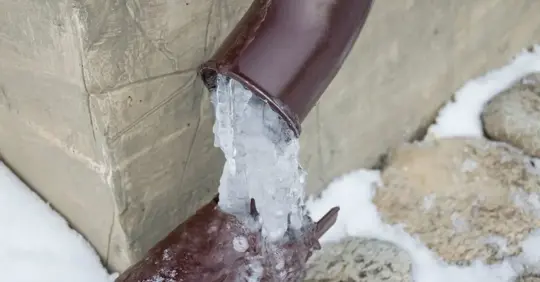
Cold winter nights in Citrus Heights, CA might not seem extreme, but temperatures can still drop low enough to stress your plumbing. When pipes freeze, pressure builds up inside them, which can lead to costly damage and major disruptions. The good news is that preventing frozen or burst pipes is simple when you know what to look for.
If you’re concerned about winter plumbing issues, please reach out to us through our online contact form or call (916) 656-0557. Schedule help now. We’re here with fast, reliable guidance whenever you need it.
Why Pipes Freeze in Mild-Climate Areas
Even in places like Citrus Heights, sudden temperature dips can catch homeowners off guard. Many homes here have pipes that run through garages, crawl spaces, and exterior walls — areas that aren’t well insulated.
Common reasons pipes freeze include:
- Overnight temperature drops
- Uninsulated exterior piping
- Poor airflow around plumbing
- Lack of regular maintenance
Understanding the risks is the first step in avoiding a winter plumbing emergency.
How to Protect Your Pipes Before Temperatures Drop
Taking simple steps early can significantly reduce the chance of frozen or burst pipes.
Insulate Exposed Plumbing
Pipes in garages, attics, outdoor walls, and under sinks are the most vulnerable.
Use easy DIY materials like:
- Foam pipe sleeves
- Pipe wrap tape
- Outdoor faucet covers
Anything that adds a layer of insulation helps slow temperature changes.
Seal Gaps and Drafts
Cold air sneaking into your home can quickly chill pipes.
Check for gaps around:
- Windows
- Doors
- Exterior wall openings
- Utility line entry points
Sealing these areas keeps pipes warmer and improves energy efficiency.
Open Cabinets and Keep Air Moving
On colder nights, allow warm air to reach pipes by opening bathroom or kitchen cabinets. If a room tends to stay cold, even a small space heater can help — keep it a safe distance from walls and objects.
What to Do on a Freezing Night
During cold snaps, a few quick actions can protect your plumbing.
Let Your Faucets Drip Lightly
A slow trickle keeps water moving, making it less likely to freeze. This is especially helpful for sinks on exterior walls.
Keep Your Thermostat Steady
Avoid turning the heat off when you leave the house in winter. Keeping the temperature consistent lowers the chance of pipes cooling too quickly.
Know Where Your Main Shutoff Valve Is
If a pipe freezes or bursts, shutting off the water quickly can prevent further damage. Make sure everyone in the home knows its location.
Signs Your Pipe May Be Freezing
Catching early symptoms can save money and stress.
Look for:
- Sudden drop in water flow
- Frost or ice on visible pipes
- Strange noises such as whistling or banging
- Unusual odors coming from drains
If you notice these signs, shut off the water and take steps to thaw the pipe safely.
How to Thaw a Frozen Pipe Safely
If a pipe freezes, remain calm and avoid using open flames, as they can be dangerous and cause damage to your plumbing.
Safer options include:
- A hair dryer on low heat
- Warm towels wrapped around the pipe
- A portable heater placed several feet away
If the pipe doesn’t begin to thaw quickly, or if you suspect a crack, it’s best to contact a professional. A licensed plumber in Citrus Heights, CA can assess the issue and help prevent further damage.
Protect Your Home with a Winter-Ready Plumbing Plan
Preventing frozen or burst pipes is easier when you stay ahead of cold weather. Simple steps like insulation, sealing drafts, and keeping water flowing can make a significant difference.
For trusted help maintaining your plumbing system, contact Top Rank Plumbing today.
Use our online contact form or call (916) 656-0557 to get winter-ready support from a licensed plumber in Citrus Heights, CA.